Last Updated: July 2026 | Reading time: 11 min
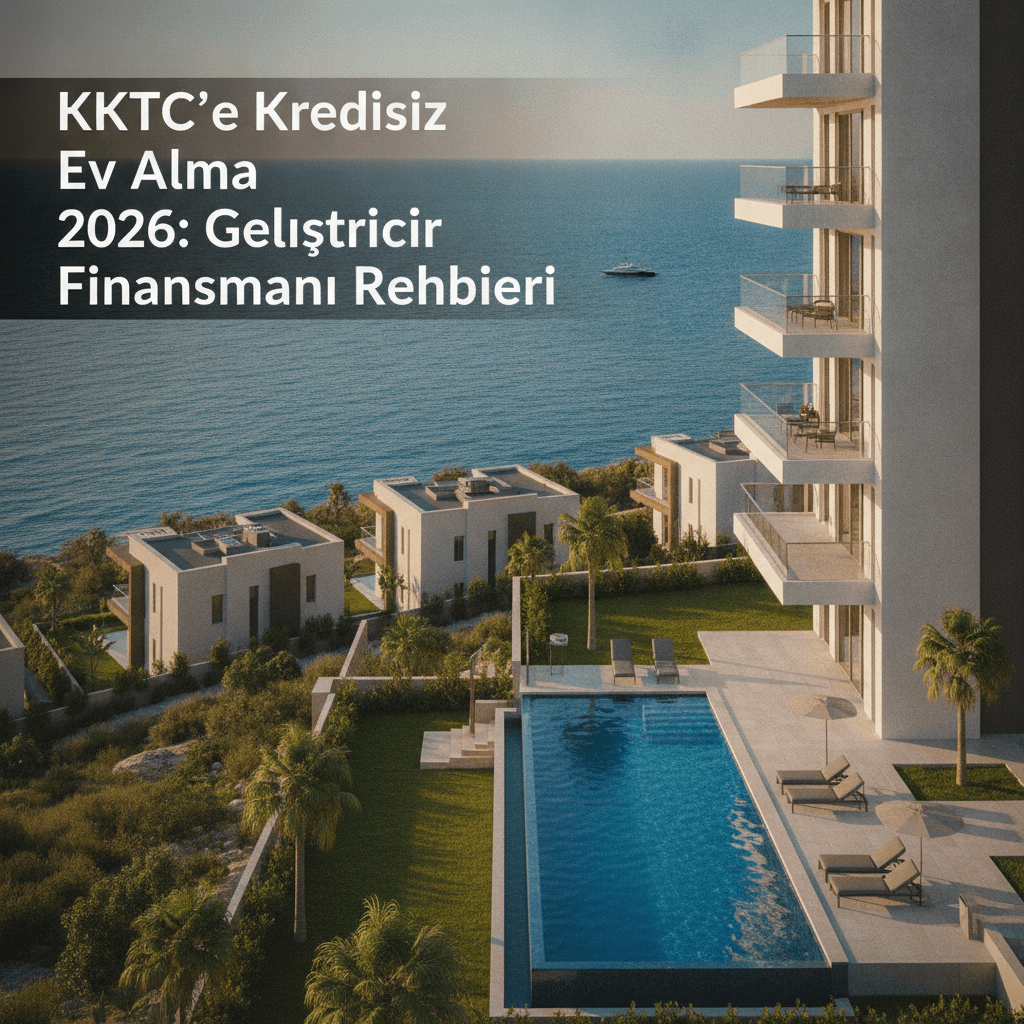
Imagine owning a home in Northern Cyprus: a sun-drenched villa by the turquoise Mediterranean. Now, what if you could achieve this dream without navigating the complexities of bank mortgages, high interest rates, and endless paperwork? As of 2026, over 70% of property buyers in the TRNC, especially international investors, are acquiring their homes through flexible payment plans offered directly by construction companies. This method, known as developer financing, not only provides significant financial relief but also dramatically simplifies the entire investment process.
In this comprehensive guide, we will delve into the intricacies of the TRNC developer financing model. We'll walk you through how the process works, from the critical points you need to consider to current payment plan examples and potential risks. Our goal is to empower you to make a secure and intelligent investment in Northern Cyprus using this popular method. If you're looking to own a piece of Mediterranean paradise with interest-free or low-interest installments, you've come to the right place.
What Exactly is Developer Financing in Northern Cyprus?
In its simplest form, developer financing is an installment-based payment model offered directly to the buyer by the company that builds the property (the developer). Instead of involving a bank or a third-party financial institution, you are essentially getting a loan from the developer. This system is particularly common for off-plan properties (those purchased before or during construction) and allows the buyer to pay the property price in installments spread over the construction period and beyond, after an initial down payment.
The fundamental difference from a bank mortgage is the absence of an intermediary, no credit score checks, and a much faster, more flexible process. From my years of experience, the most significant advantage is the accessibility it creates for foreign investors. While securing a bank loan in the TRNC can be a daunting bureaucratic challenge for a non-resident, TRNC developer financing completely removes this barrier. The developer, confident in their own project and eager to facilitate sales, underwrites the financing themselves, creating a win-win situation based on trust between buyer and seller.
Key Differences: Developer Finance vs. Bank Mortgage
To illustrate the difference, let's consider a real-life scenario. Last year, a client from Germany was about to give up on their dream apartment in Kyrenia due to the complexities of the bank loan application. When we introduced them to the developer financing option for the same project, they had a signed contract and a confirmed payment plan within two days. This speed and simplicity are the model's most compelling features.
| Feature | Developer Financing | Bank Mortgage |
|---|---|---|
| Approval Process | Virtually no approval needed; being a buyer is enough. | Requires credit score, proof of income, extensive vetting. |
| Interest Rates | Often 0% interest or very low fixed rates. | Variable and often high, based on market conditions. |
| Loan Term | Typically 2 to 7 years (24-84 months). | Can extend up to 10-20 years. |
| Flexibility | Negotiable; custom plans can be created. | Rigid, based on the bank's standard products. |
| Accessibility for Foreigners | Extremely high; available to nearly all nationalities. | Very low; often requires a local guarantor or high collateral. |
The Step-by-Step Process to Buying with Developer Finance
The process of acquiring property with developer financing in Northern Cyprus is refreshingly straightforward and transparent. We can break it down into five main steps to guide you through your investment journey securely.
Step 1: Selecting a Reputable Developer and Project
Everything begins with finding the right property and, more importantly, the right developer. You'll find hundreds of projects, especially in popular investment hubs like Iskele (Long Beach), Esentepe, and Kyrenia. When making your choice, don't focus solely on price or artist impressions. Thoroughly research the developer's track record, completed projects, financial stability, and client testimonials. Working with a trusted real estate advisor at this stage is crucial to avoid potential pitfalls.
Step 2: The Down Payment and Sales Contract
Once you've found your desired property, you'll typically pay a reservation fee of £2,000 - £5,000 to take it off the market for a set period (usually 2-4 weeks). During this time, your solicitor will review the contract of sale. Once agreed, you will pay a down payment, typically between 30% and 40% of the property value, and sign the contract. It is vital that this contract is then registered at the District Land Registry Office. This act protects your interest, ensuring the property cannot be sold to anyone else or have a lien placed against it.
Step 3: Staged Payments During Construction
After the down payment, the remaining balance is usually broken down into installments tied to construction milestones. A typical structure might look like this:
- 20% upon completion of the foundations
- 20% upon completion of the structural frame
- 15% upon completion of brickwork and plastering
- 10% upon completion of windows and doors
This payment schedule can vary. Some developers offer fixed monthly or quarterly installments instead. The key is to have this schedule clearly and unambiguously defined in your sales contract.
Step 4: Handover and Post-Handover Installments
When construction is complete and you receive the keys to your new home (handover), another portion of the balance is typically due. If you've chosen an interest-free plan, the remaining debt might be payable in installments over 12 to 36 months post-handover. For low-interest, long-term plans, this period can extend up to 84 months (7 years). This provides the excellent flexibility of continuing your payments even after you've started living in or renting out your property.
🏠 Start Your Investment Journey Today
Discover exclusive developer financing options in Northern Cyprus's most trusted projects with the expert team at Century21 Perfect.
📞 +90 552 688 0195 | 📧 ashkan.ahani@century21.com.tr
Why Developer Financing is the Top Choice in 2026
In an era of global economic uncertainty and rising interest rates, the financing model offered in the TRNC is a safe haven for investors. Key global shifts, such as Spain ending its Golden Visa program and Greece raising its investment threshold to €800,000, have pushed investors towards more accessible and affordable alternatives. Northern Cyprus, with its attractive property prices and flexible models like TRNC developer financing, is perfectly positioned to fill this gap.
A Bureaucracy-Free Path for International Investors
The greatest advantage is the simplicity. You can invest with just your passport, without any requirements for credit scores, proof of income, or guarantors. This is a massive draw for buyers from Russia, Iran, Germany, and Scandinavia, among others. The majority of international clients we assist at our office explicitly state they prefer this direct method to the hassle of dealing with their home country's banking regulations for overseas transfers and financing.
Hedge Against Inflation and Capital Appreciation
By entering a project during its construction phase, you lock in the price in a stable currency (GBP). By the time the project is completed, the property's value has often appreciated by 30% to 50%. Your property gains value while you are still paying off the installments, providing a powerful hedge against inflation. We have witnessed value increases of up to 100% between the launch and completion prices for prime projects in the Iskele Long Beach area.
Critical Considerations: Potential Risks and How to Mitigate Them
While developer financing offers a wealth of benefits, due diligence is paramount, as with any investment. Heeding the following warnings is vital to protect your capital.
- Contract Scrutiny: Read every clause of the contract, especially those related to penalties for delays, title deed transfer costs, and the management plan for communal areas. Do not sign anything you don't fully understand.
- Title Deed (Koçan) Type: The TRNC has different types of title deeds. Clarify which type of deed your property will have, as this affects its future value and legal standing. You can learn more by exploring our other blog articles.
- Hidden Costs: Be aware of additional costs beyond the sale price, such as VAT (5%), Stamp Duty (0.5%), Title Deed Transfer Fee (6%-12%), and infrastructure contributions (for electricity, water). A good developer and agent will be transparent about these from the start.
Frequently Asked Questions (FAQ)
Is developer financing genuinely interest-free?
Yes, many developers offer 0% interest plans, particularly during the construction period and for a 24-36 month term post-handover. If you require a longer term (e.g., 5-7 years), a low interest rate, typically between 4-8% per annum, may be applied. This is still significantly lower than bank rates and is fixed. It all depends on the developer's specific policy for that project.
What currency are payments made in?
The de facto currency of the Northern Cyprus property market is the British Pound (GBP). Almost all contracts of sale and payment plans are denominated in GBP. This provides stability for both the buyer and developer, insulating the transaction from the volatility of other currencies.
Is it possible to buy a property with no down payment?
As of 2026, 'no money down' deals are extremely rare. Developers require a down payment, usually a minimum of 30%, to secure the buyer's commitment and to help fund the ongoing construction costs. In some special campaigns, this may be lowered to 25%.
What happens if the project is delayed beyond the contract date?
A well-drafted contract of sale will include a 'penalty clause' to protect the buyer in case of delays. This clause typically requires the developer to pay the buyer a penalty, often equivalent to the rental value of the property, for the duration of the delay. Your solicitor must ensure this clause is included and is fair.
Can I get my title deed before finishing all installments?
Typically, the title deed is transferred once 60-70% of the total price has been paid, or upon completion of all payments. This is a point specified in the contract. Some developers may offer to transfer the deed earlier and place a charge (mortgage) on the property for the remaining amount owed.
Can I sell my property while I am still paying the installments?
Yes, this is a common practice and is known as an 'assignment of contract'. You can sell your rights in the contract to a new buyer, who will then take over the remaining payments to the developer. The developer usually charges a small administrative fee for this process.
Will the price of my property increase after I sign the contract?
No. The price is fixed at the moment you sign the contract of sale. Even if construction costs rise or the market value of similar properties increases, the total amount you are obligated to pay remains the same as stated in your contract. This provides excellent security for the buyer.
Pro-Tips for Securing Your Loan-Free Purchase
To ensure your investment process is as smooth and secure as possible, I strongly recommend following these steps:
- Choose a Strong Developer: Prioritize companies that have been in the market for at least 10-15 years and have a proven portfolio of successfully completed and delivered projects. On our projects page, we only feature developers who meet these stringent criteria.
- Get Independent Legal Advice: Do not use a solicitor recommended by the developer. Engage your own independent legal counsel to ensure your interests are fully protected.
- Negotiate the Payment Plan: Developers often have flexibility in their payment structures. Don't hesitate to negotiate a plan that aligns with your personal cash flow.
- Get All Costs in Writing: Before signing, request a written breakdown of all potential costs, including the purchase price, taxes, fees, and utility connection charges.
- Monitor Construction Progress: If you are not residing in the TRNC, ask your agent or the developer for regular photo and video updates (e.g., monthly) to track the construction progress.
Conclusion: Your Smart and Accessible Path to TRNC Property Ownership
It's clear that the TRNC developer financing model offers a far simpler, faster, and more advantageous alternative to bank mortgages for those looking to own property in Northern Cyprus in 2026. The availability of interest-free installments, flexible terms, and the absence of bureaucratic hurdles for foreign investors make this method exceptionally attractive. With proper research, a reliable advisor, and a solid legal foundation, you can navigate this process successfully and take the first step towards your new life or profitable investment in the Mediterranean.
If you have any questions or concerns during this process, we would be delighted to guide you. With years of experience, we are here to support you at every stage of your investment. Contact us today, and let's turn your dream of loan-free home ownership into a reality.
🏠 Get Professional Guidance
Leverage the expertise of Century21 Perfect to find the best developer financing deals and most reliable projects in the TRNC.
📞 +90 552 688 0195 | 📧 ashkan.ahani@century21.com.tr
- What TRNC developer financing is and how it differs from a bank mortgage.
- The simple, 5-step process for buying property without a loan.
- Why this method is so popular in 2026 and its advantages for foreign investors.
- Potential risks involved and the crucial measures to mitigate them.
- Answers to common questions about interest rates, title deeds, and payment plans.
- Practical, professional tips to safeguard your investment.