Last Updated: July 2026 | Reading time: 12 min
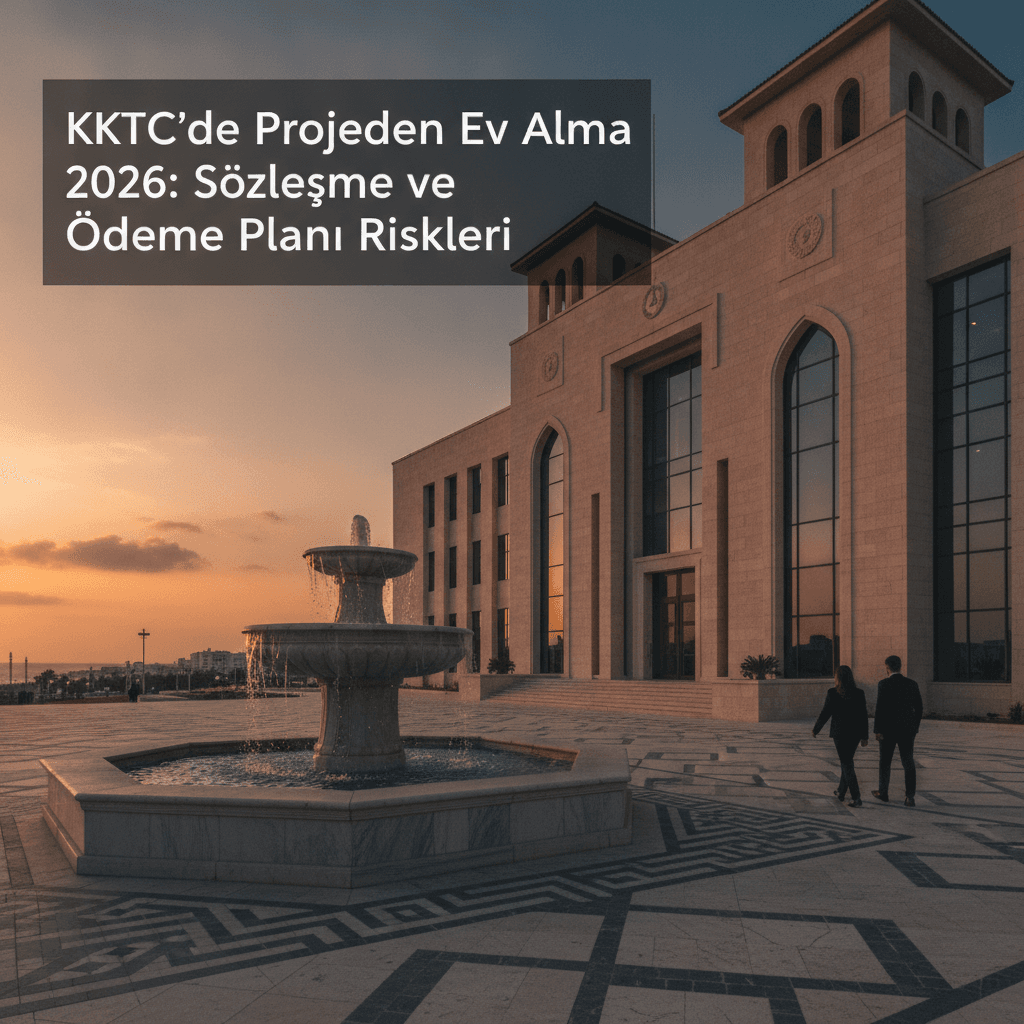
In 2026, the Turkish Republic of Northern Cyprus (TRNC) continues to be one of the Mediterranean's most alluring property investment hotspots. The concept of buying off-plan—purchasing a property before or during its construction—is particularly tempting for investors, promising lower entry prices and the potential for high capital appreciation. However, behind this gleaming prospect lie significant risks related to contracts and payment schedules, which, if not managed carefully, can lead to serious financial setbacks. Buying off-plan property in North Cyprus can be incredibly profitable, but only if you proceed with caution and knowledge at every step.
In this comprehensive guide, I will draw upon my 15 years of real estate consultancy experience to walk you through the potential pitfalls of off-plan purchases. We will cover the critical clauses to scrutinize in a sales contract and how to secure your payment plan. My goal is to help you transform this exciting investment journey into a financial success story, not a cautionary tale.
Ashkan Behbud — Century 21 Perfect, 15+ years of real estate experience, Bağdat Caddesi
Why is Off-Plan Investment in North Cyprus So Popular in 2026?
The property market in North Cyprus has shown remarkable and consistent growth over the past few years. Several key factors are driving this popularity in 2026. Firstly, the rental yields and capital appreciation, calculated in foreign currencies (primarily British Pounds), offer a robust hedge against inflation for many international investors. For buyers from Europe, the Middle East, and beyond, the TRNC represents both a perfect holiday home destination and a strategic asset.
Furthermore, significant changes and restrictions in traditional Golden Visa programs, such as those in Spain and Portugal in 2024, have pushed global investors to seek new, more accessible markets. The TRNC has emerged as a prime alternative. Flexible payment plans offered by developers, coupled with attractive off-plan launch prices, make these investments even more appealing. For instance, we've observed value increases of up to 40% between the 2024 launch price and the 2026 completion price for projects in the Esentepe region, west of Kyrenia.
The Legal Framework: Know Your Rights and Obligations
Property acquisition in the TRNC operates under a unique legal system, especially for foreign nationals. The cornerstone of the process for non-TRNC citizens is the 'Permission to Purchase' (PTP), which must be obtained from the Council of Ministers. Without this permission, a title deed cannot be legally registered in your name. For off-plan properties, this application process typically begins after the contract is signed and while construction is underway.
In the TRNC, there are three main types of title deeds: Turkish Title (pre-1974 Turkish Cypriot or foreign ownership), Exchange Title (given to Turkish Cypriots who lost land in the south), and TMD Title (allocated by the TRNC government). For maximum security and international recognition, Turkish and Exchange titles are generally considered the safest investments. Always confirm the land's title deed type before committing to a project.
The most critical legal document in your purchase is the 'Contract of Sale'. While it doesn't require notarization, it is imperative that this contract is registered at the District Land Registry Office within 21 days of being signed. This registration acts as an encumbrance on the property, preventing the developer from selling it to someone else or securing a mortgage on it without your consent. This is your primary legal protection and should never be overlooked.
The Contract of Sale: The Devil is in the Detail
Standard contracts provided by developers are often drafted to favor their own interests. It is therefore essential to have the contract reviewed by an independent solicitor before you sign anything. Here are the key areas that require your utmost attention:
Property Specifications & Technical Details
The contract must clearly define the property with its plot number, exact net and gross square meterage, and floor plans. Crucially, it should include a detailed technical specification sheet as an appendix. This sheet must list the brands and quality of materials to be used (e.g., windows, tiles, kitchen cabinets, faucets). Vague phrases like "high-quality materials will be used" are red flags and can lead to disputes later on.
Payment Schedule & Currency Clauses
The payment plan, including installment amounts and due dates, must be explicitly stated. Payments are almost always priced in British Pounds (GBP). If you are paying in another currency, the contract must specify the exact method for determining the exchange rate on the payment day (e.g., "the Central Bank of TRNC's effective selling rate"). Otherwise, you are exposed to currency fluctuation risks.
Completion Date & Penalty Clauses
This is the most common source of conflict. The contract must state a clear and unambiguous completion date. It should also specify the penalty the developer must pay for any delays (typically equivalent to a monthly rental income). Some developers use a very broad 'force majeure' clause to excuse delays. Work with your solicitor to negotiate a narrow and specific definition of what constitutes a force majeure event.
The contract must clarify who is responsible for paying legal costs such as VAT (5%), Stamp Duty (0.5%), and the Title Deed Transfer Fee. Furthermore, inquire about the estimated monthly maintenance fees for communal areas like pools and gardens, which will begin after handover. The management structure for the complex should also be clear.
🏠 Legal Security for Your TRNC Investment
We collaborate with expert solicitors in North Cyprus for contract reviews and legal process management. Don't risk your investment; proceed with professional guidance.
📞 +90 552 688 0195 | 📧 ashkan.ahani@century21.com.tr
Payment Plan Structures and Their Hidden Risks
Developers in the TRNC typically offer a few different payment models. Each comes with its own set of pros and cons.
| Payment Plan Model | Structure | Potential Risk |
|---|---|---|
| Standard Model | 30-40% down payment, stage payments tied to construction milestones, balance on completion. | If construction stalls, a significant portion of your capital is tied up in an unfinished project. |
| Interest-Free Installments | Low down payment, with interest-free monthly payments over 24-48 months until handover. | The list price is often inflated to cover the 'interest-free' period. Delays mean you pay more before seeing a return. |
| Developer Finance | Developer offers long-term financing (5-10 years) with interest after handover. | Interest rates can be higher than banks. The developer's long-term financial stability is critical. |
Step-by-Step Roadmap for a Secure Off-Plan Purchase (2026)
To ensure a smooth and secure off-plan purchase in the TRNC, I strongly recommend following these steps:
- Developer Due Diligence: Visit the developer's previously completed projects. Speak to residents. Check the company's registration with the Constructors Association and inquire about their bank guarantees.
- Appoint an Independent Solicitor: Never use a solicitor recommended by the developer. Appoint your own, independent legal counsel who will protect only your interests. This is the most critical step of your investment.
- Contract Review and Negotiation: Go through the contract clause by clause with your solicitor. Negotiate any points that are ambiguous or unfavorable to you.
- Register the Contract at the Land Registry: Within 21 days of signing, ensure your solicitor registers the contract at the District Land Registry Office and pays the required 0.5% stamp duty.
- Document All Payments: Make all payments via traceable methods like bank transfers and obtain a signed, stamped receipt from the developer for every single payment.
- Monitor Construction Progress: If possible, visit the site periodically. If you are abroad, ask for regular photo and video updates to ensure the progress aligns with the contractual schedule.
- Apply for Permission to Purchase (PTP): While construction is ongoing, your solicitor should submit your PTP application to the Council of Ministers. As of 2026, this process takes approximately 6-9 months.
- Snagging and Handover: Before making the final payment, conduct a thorough inspection of the property (snagging) to list any defects or incomplete work. Do not sign off on handover until this list is rectified.
- Title Deed Transfer: Once your PTP is granted and all payments are complete, you will meet with the seller at the Land Registry to complete the transfer of the title deeds into your name. The transfer fee is paid at this stage.
Frequently Asked Questions (FAQ)
What happens if the developer goes bankrupt?
If your Contract of Sale is registered at the Land Registry, you are a secured creditor. Your claim on the specific property is protected. Any company that takes over the project or the liquidator must recognize your rights. Without registration, you become an unsecured creditor, and recovering your money is extremely difficult.
Can I sell my property before completion?
Yes, this is common and is called an 'assignment of contract'. You can sell your contract to a new buyer with the developer's consent. Developers usually charge an assignment fee, typically 1-2% of the contract price. This should be stipulated in your original contract.
What if my Permission to Purchase (PTP) is denied?
It is extremely rare for a PTP application to be denied, usually only occurring in cases of a serious criminal record. A well-drafted contract should include a clause stating that if the PTP is refused for reasons beyond your control, your payments will be refunded, possibly minus a small administrative fee.
Does buying an off-plan property in the TRNC grant me residency?
Yes. Foreign nationals who own property in the TRNC (or can prove they have paid in full and are awaiting their deeds) are eligible to apply for a renewable residency permit. This does not grant citizenship but allows you to live in the country legally.
What is a bank guarantee and should I ask for one?
A bank guarantee is an assurance from a bank that if the developer fails to complete the project, the bank will refund the buyer's payments. This is a standard feature of large, reputable projects. Opting for a project with a bank guarantee significantly enhances your investment security.
Can I make payments in Euros or US Dollars?
The TRNC property market is priced almost exclusively in British Pounds (GBP). While you can transfer funds in other currencies, they will be converted to GBP at the prevailing rate on the day of payment. This exposes you to currency exchange risk. It's often best to structure your finances in GBP if possible.
How much are solicitor fees?
As of 2026, solicitor fees for a standard property purchase in the TRNC typically range from £1,500 to £2,500. This fee generally covers the entire process, from contract review and Land Registry registration to the PTP application and final title deed transfer.
Conclusion: An Informed Investor is a Secure Investor
Buying off-plan property in North Cyprus, when done correctly, opens the door to a profitable investment and a wonderful Mediterranean lifestyle. However, the process is far more complex than simply picking a property you like. The keys to success are thorough due diligence, independent professional legal advice, and a robust contract that you understand completely. Scrutinizing the payment plan, investigating the developer's track record, and securing your legal standing from day one will shield you from potential risks.
Remember, the best investment is the one you know the most about. The information in this guide is designed to empower you on your journey. However, every project and every contract is unique.
🏠 Looking for Reputable Projects in North Cyprus?
To explore projects from developers with a proven track record and solid legal standing, visit our projects page or contact us directly for a consultation.
📞 +90 552 688 0195 | 📧 ashkan.ahani@century21.com.tr
- The economic drivers behind the popularity of off-plan purchases in the TRNC in 2026.
- The essential legal mechanisms that protect buyers, including the importance of title deed types.
- Critical clauses to look for in a sales contract (completion date, technical specs, penalties).
- The risks and advantages associated with different payment plan models.
- A detailed 9-step roadmap for a secure off-plan property purchase.
- An overview of additional costs like title deed fees, VAT, and solicitor fees.
- Common mistakes investors make and how to avoid them.