
The Impact of Real Estate Photography on Sale Speed: What the Numbers Say
The average time a buyer spends looking at an online listing is just a few seconds. In this brief window, you either capture their attention or they move on to the next property. So, what determines this critical first impression? The answer is clear: the photos. In the 2026 real estate market, over 95% of homebuyers begin their search on online portals. This means your property's "digital curb appeal"—its photos—comes even before its physical attributes. Studies consistently show that listings with professional photos sell 32% faster and for 5% to 12% more than comparable homes. This isn't just a matter of aesthetics; it's a direct financial investment.
Last year, we experienced this firsthand with a property we were advising on near Bağdat Avenue. The listing initially went live with photos taken by the homeowner and wasn't generating the expected interest. After simply commissioning a professional shoot and updating the photos, our phones were ringing off the hook within the first 48 hours. We sold the property within a week for a price that exceeded our initial expectations. This guide is designed to walk you through exactly how to achieve that result, whether you decide to take the photos yourself or hire a professional. You're about to discover the secrets to capturing those perfect shots that reflect your home's true value and motivate buyers to take action.
Professional Photographer vs. DIY: A Cost-Benefit Analysis
When you decide to sell your home, one of the first questions you'll face is: should I hire a professional photographer, or can I just use my smartphone? When making this decision, it's essential to consider not just the immediate cost, but the potential return. As of 2026, the cost of a professional real estate photographer in a major city can range from $250 to $800, depending on the size of the property and the services requested (e.g., drone shots, 3D tour). While this may seem like an expense at first glance, it transforms into an investment when compared with its potential benefits.
Cost-Benefit Comparison
A professional photographer doesn't just have better equipment; they understand how to use angles, light, and composition to their advantage. They bring out the most spacious, bright, and inviting version of your home. In a DIY shoot, even with the best smartphone, you risk making rooms look smaller and darker due to the lack of a wide-angle lens, challenges with lighting control, and common composition errors. The following table compares the two approaches to help you decide.
| Feature | Professional Photographer | Do-It-Yourself (DIY) |
|---|---|---|
| Cost | $250 - $800 (2026) | Usually free (with existing equipment) |
| Equipment Quality | Full-frame DSLR, wide-angle lenses, tripod, external flashes | Smartphone or basic point-and-shoot camera |
| Time Investment | 2-4 hours (by the photographer) | 4-8 hours (shooting + editing) |
| Result Quality | High-resolution, color-accurate, professionally composed | Variable, often grainy in low light, narrow angles |
| Potential Return (ROI) | Faster sale, potential for 5-12% higher price | Uncertain, risk of longer time on market |
Pre-Shoot Preparation: The Foundation for Perfect Shots
Even the best photographer with the most expensive equipment can't make a cluttered, unprepared home look good. The photoshoot is like the "gala premiere" for your home, where it needs to be presented in its absolute best condition. That's why a comprehensive preparation process, starting at least a day before the shoot, is crucial. We can break this process down into three main categories: cleaning, decluttering, and depersonalizing.
Step 1: Deep Clean
A camera lens can pick up details that the human eye might miss. Therefore, a standard cleaning won't suffice. Windows should be cleaned inside and out to allow maximum light to enter. Kitchen countertops, bathroom mirrors, and any reflective surfaces must be spotless. Floors, carpets, and furniture should be pristine. Dust, fingerprints, and smudges will create an impression of a poorly maintained home in photos.
Step 2: Declutter
Buyers want to purchase the space, not the stuff in it. Excess furniture and belongings make rooms appear smaller and more confined. Before the shoot, remove as much as you can. Clear off kitchen counters, removing small appliances. Pack away stacks of magazines and newspapers. Put away all personal care products in the bathroom. The goal is to allow potential buyers to envision their own belongings in the space. Remember, you're selling your house, not your possessions.
Step 3: Depersonalize
This is one of the most difficult but most important steps. Family photos, refrigerator magnets, children's artwork, and personal collections prevent buyers from forming an emotional connection with the house. When buyers walk in, they should think, "This could be my home," not, "Another family lives here." Temporarily storing all personal and unique items will make the photos look far more professional and inviting to a wider audience.
🏠 Want to Sell Your Home for Top Dollar, Faster?
Let us maximize your property's potential with our professional marketing and photography services. Our team at Century21 Perfect is ready to assist you.
📞 +90 552 688 0195 | 📧 ashkan.ahani@century21.com.tr
Room-by-Room Shooting Guide: Strategic Tips
Every room has a unique purpose and character. Your photos need to reflect this character and highlight the room's best features. Here’s what to focus on in the key areas of your home:
Living Room: Emphasize Space and Flow
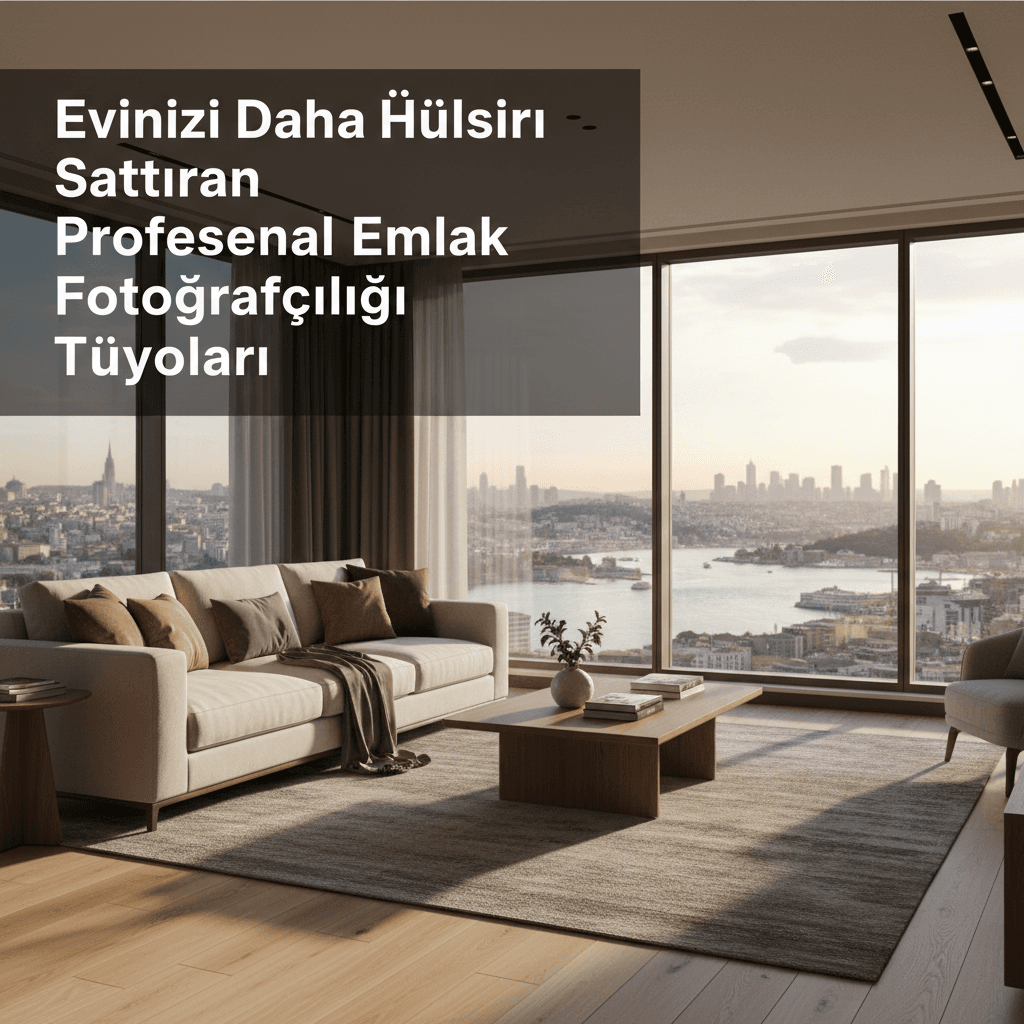
The living room is the heart of the home, where buyers will envision spending most of their time. The photos must convey that this area is spacious, bright, and functional. Position the camera in a corner and aim slightly downwards to create depth and make the room appear larger. If possible, take shots from multiple angles to show different functions of the room (e.g., seating area, dining space). Open all curtains and blinds to maximize natural light from the windows.
Kitchen: Showcase Cleanliness and Functionality
Kitchens are one of the most influential rooms in a home-buying decision. Ensure countertops are completely clear and clean. You can leave one or two decorative items, like a fresh bowl of fruit or a stylish coffee maker. Take close-up shots that highlight the quality of the cabinets, countertops, and modern appliances. A combination of a wide-angle shot showing the overall layout and a few detail shots is the ideal mix.
Bedrooms: Create a Sense of Peace and Space
Bedrooms should feel like a sanctuary. Make sure beds are neatly made, preferably with a stylish comforter and pillows. Ensure all closet doors are closed and any clutter is completely removed. Again, shoot from the corner that makes the room look its largest. In the master bedroom, capturing an angle that shows the entry to an en-suite bathroom or walk-in closet can effectively highlight the room's functionality.
Bathroom: Focus on Light and Hygiene
Bathrooms are often small and challenging to photograph. The goal is to make them look as bright, clean, and spacious as possible. Remove all personal items (toothbrushes, shampoos, etc.). Close the toilet lid. Hanging clean, folded white towels can create a spa-like atmosphere. Be mindful of reflections in the mirror; find an angle where the photographer and camera are not visible. Don't hesitate to use additional lighting if necessary.
Technical Details: Light, Composition, and Angle
A great real estate photo is not just about what you shoot, but how you shoot it. Light, composition, and angle are the elements that differentiate a bland snapshot from a stunning image. Mastering these technical aspects will instantly elevate the quality of your photographs.
Harness the Power of Light
The best light for real estate photography is natural light. The ideal time for a shoot is usually in the morning or late afternoon when the light is softer and warmer. Direct midday sun can create harsh shadows. Supplement natural light by turning on all the lights in every room. However, be careful not to mix light of different color temperatures (e.g., warm incandescent light with cool daylight). If possible, ensure all bulbs are the same color temperature, preferably a neutral or daylight white.
The Golden Rules of Composition
Good composition guides the viewer's eye to the most important parts of the photo.
- Rule of Thirds: Imagine your frame is divided into three equal parts both horizontally and vertically. Try to place the main focal points of the room (like a fireplace or a window with a view) at the intersections of these lines. This creates a more dynamic and interesting composition.
- One-Point Perspective: This is an effective technique for hallways or long rooms. By placing the camera in the center of the room and shooting straight ahead, you can enhance the sense of depth.
- Camera Height: It's generally best to keep the camera at chest height or slightly lower (around 4-5 feet or 120-140 cm). Shooting from too high can make a room feel small, while shooting from too low focuses too much on the ceiling.
The Post-Production Process: Editing and Selection
Your work isn't done once the shooting is over. Proper editing and selection turn good photos into great listing images. The goal here is not to misrepresent the home, but to present the best version of its reality. Over-editing can create distrust and lead to disappointment when buyers visit the property in person.
Essential Editing Steps
Using professional editing software is best, but many basic editing tools can also get the job done. You should focus on:
- Brightness and Contrast: Make photos brighter and more vibrant, but be careful not to lose important details in the highlights or shadows.
- Color Correction: Ensure colors look natural by removing any yellow or blue casts caused by interior lighting.
- Sharpening: Adding a slight amount of sharpening can make details appear crisper. However, over-sharpening creates an artificial look.
- Vertical Correction: Correct any perspective distortion to ensure walls, doors, and windows appear perfectly vertical.
Frequently Asked Questions (FAQ)
What is the ideal number of photos for a listing?
The general rule is to use enough photos to showcase every important area and feature of the property, but not so many that it overwhelms the buyer. According to 2026 trends, between 20 and 30 high-quality photos is considered ideal. This number allows a buyer to get a comprehensive idea of the home. Too few photos (less than 10) can give the impression that the property has something to hide, while too many (more than 40) can cause the buyer to lose interest.
Is a video or 3D virtual tour necessary?
While not strictly necessary, it is highly recommended. 3D tours and professional videos have become the standard, especially for properties attracting out-of-town or international buyers. These tools allow buyers to virtually walk through the home, increasing their engagement and ensuring that only genuinely interested parties request in-person viewings. This ultimately saves the seller valuable time.
Is my smartphone camera good enough?
While modern flagship smartphones have incredible cameras, they cannot fully replace a professional DSLR. Their biggest limitation is the lack of a true wide-angle lens, which often makes rooms appear narrower than they are. If you are on a tight budget and must use a phone, always use a tripod to prevent camera shake, clean the lens, and shoot in the highest possible resolution. You might also consider purchasing an external wide-angle lens attachment for your phone.
What features of the home should I highlight in the photos?
Focus on the "money-making" features that influence a buyer's decision. These can include a renovated kitchen, high-end appliances, a balcony with a view, large walk-in closets, an en-suite master bathroom, a fireplace, or a private garden area. Ensure these features are visible in the main room photo and also dedicate a separate detail shot to them.
How important are exterior and neighborhood photos?
They are critically important. The exterior provides the buyer's first physical impression (curb appeal). The building must look well-maintained and inviting. If possible, take exterior shots at different times of the day, especially during the "golden hour" near sunset. Additionally, if the property's location is a key selling point (e.g., proximity to a park, walking distance to a subway station, an ocean view), including neighborhood photos or drone shots that showcase these advantages will add significant value to the listing.
What is a "Twilight Shot" and is it worth it?
A twilight shot is an exterior photo taken just after sunset, during the brief period when the sky is a deep blue but there is still some ambient light. Taken with the home's interior and exterior lights on, these photos create a luxurious, warm, and inviting mood. They are particularly effective as the cover photo for high-end or luxury properties and can significantly increase click-through rates. While they cost a bit more, the dramatic impact is often well worth the investment.
What editing mistakes should I avoid?
The biggest mistake is misrepresentation. Never do anything that alters the reality of the property, such as removing a power line from the view, erasing cracks in the walls, or changing the view from a window. Also, avoid oversaturating colors (exaggerating the HDR effect) or over-sharpening photos. The goal is to show the home at its best, not to create a fictional version of it. Such edits can lead to distrust and even legal issues.
Conclusion: The Perfect Photo is the Key to a Faster Sale
Selling your home can be a complex process, but getting the first step right can make the entire journey smoother. That first, most crucial step is presenting your property with professional-quality photos that do it justice. Remember, the photos in your listing are not just images; they are marketing tools that communicate the value, quality, and potential of your home. Bad photos can make even the most beautiful home unsellable, while great photos can turn an average property into a highly desirable one.
By applying the tips shared in this guide, whether you're shooting yourself or working with a professional, you can ensure your listing stands out from the competition. Preparation, proper technique, and an honest presentation will not only bring you more interest and higher offers but will also significantly shorten the time your home spends on the market. Never underestimate the power of a first impression to help your home achieve the value it deserves. If you need expert assistance in this process, we would be delighted to help you with the right marketing strategies. Contact us today →
🏠 Get Professional Consulting Services
We're with you every step of the way, from photography and marketing to negotiations and closing. Meet the team at Century21 Perfect.
📞 +90 552 688 0195 | 📧 ashkan.ahani@century21.com.tr
- How professional real estate photos can speed up sales by 32% and increase the price by up to 12%.
- The importance of deep cleaning, decluttering, and depersonalizing your home before a photoshoot.
- Specific shooting techniques and angles to use for each room to maximize its appeal.
- How technical details like natural light, proper composition, and camera height can transform your photos.
- The dos and don'ts of photo editing to enhance images without misrepresenting the property.
- How to determine the right number of photos for your listing and the best order to present them.