Last Updated: July 2026 | Reading time: 11 min
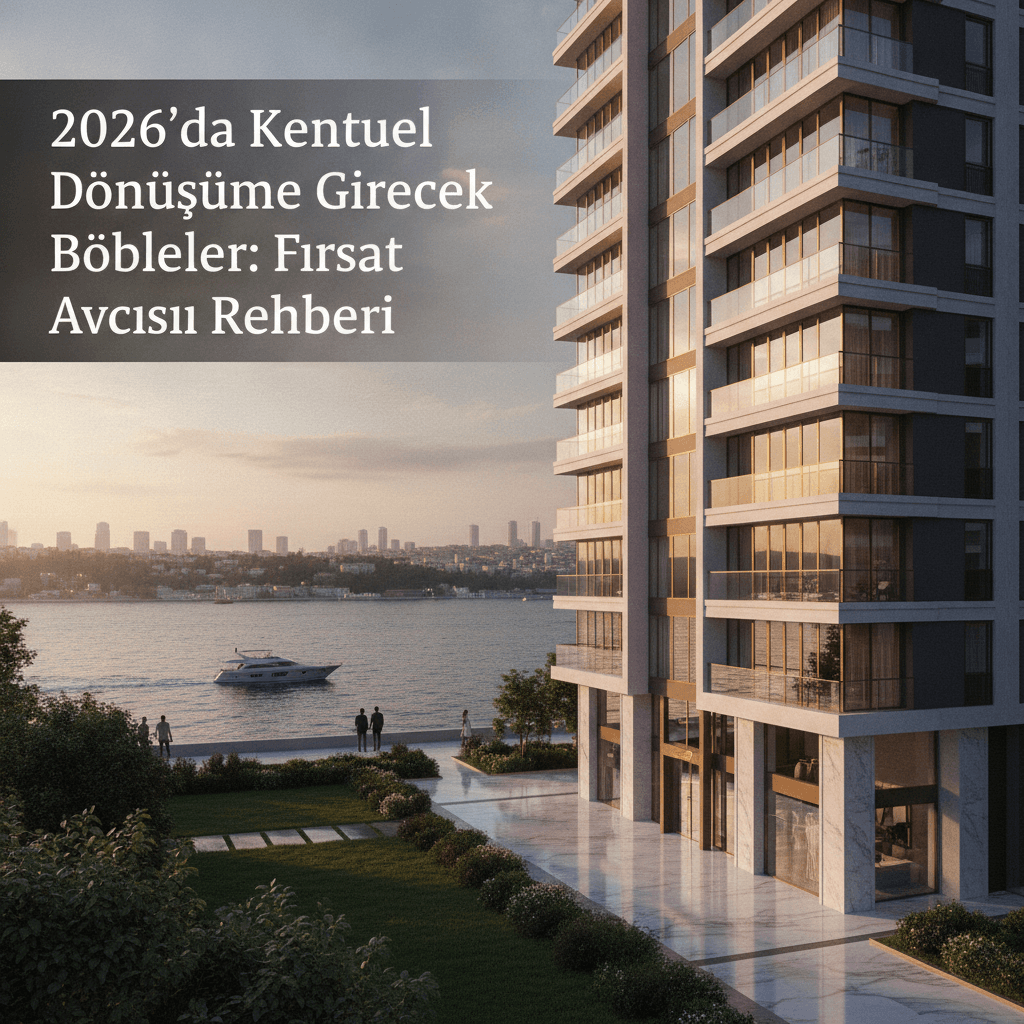
Beneath the skyline of Istanbul, a transformation of unprecedented scale is underway. It's called 'kentsel dönüşüm,' or urban regeneration, and in 2026, it represents far more than just replacing old buildings. For the savvy international investor, it's one of Turkey's most compelling and potentially lucrative real estate plays. While many see it as a civic necessity to earthquake-proof the city, a select group of investors who understand the landscape see it for what it truly is: a government-backed engine for wealth creation. This guide is designed to navigate the complex but rewarding world of Turkey's urban regeneration opportunities in 2026, providing a clear roadmap for foreign investors.
We will delve into the legal framework that makes these projects attractive, pinpoint the hotspots in Istanbul and beyond, and break down the investment models. This isn't just about theory; it's a practical playbook based on over 15 years of on-the-ground experience in Istanbul's most dynamic real estate markets, helping you turn urban renewal into significant returns.
What is Urban Regeneration in Turkey and Why is it Peaking in 2026?
Urban regeneration is a nationwide initiative, legally framed by Law No. 6306, aimed at demolishing and rebuilding structures deemed at risk from natural disasters, primarily earthquakes. However, its scope has expanded to become a primary driver of urban modernization and real estate development. For an investor, this means a stable, predictable environment backed by state incentives, designed to accelerate development and attract capital.
The Legal Backbone: Law No. 6306 for Investors
The law's most critical component for investors is the '2/3 majority rule.' To initiate a regeneration project in a building, consent from owners representing two-thirds of the land shares is sufficient. This prevents projects from being stalled indefinitely by a small minority, providing a clear path forward. Furthermore, the law offers significant financial incentives, including exemptions from VAT, title deed fees, and notary costs, which substantially lower the project's overhead. As of 2026, new regulations are also offering additional zoning bonuses (increased construction rights) for large-scale, block-level projects, further sweetening the deal for developers and investors.
An Economic Powerhouse
Urban regeneration creates a powerful ripple effect through the economy. A renewed area doesn't just get new buildings; it gets upgraded infrastructure, new commercial spaces, parks, and improved public services. This holistic improvement dramatically increases the entire neighborhood's property values. A recent project we consulted on in the Göztepe district of Istanbul saw pre-regeneration apartment values of $250,000 soar to over $550,000 upon completion—a value appreciation of over 120% directly attributable to the regeneration project.
Prime Urban Regeneration Hotspots for Investors in 2026
Not all districts are created equal. As an investor, your focus should be on areas with a high concentration of older buildings, proximity to major transport hubs, and strong potential for capital appreciation. Here are the key areas on our 2026 investment radar:
Istanbul: The Epicenter of Opportunity
Istanbul remains the heart of Turkey's urban regeneration efforts, offering a diverse range of investment profiles.
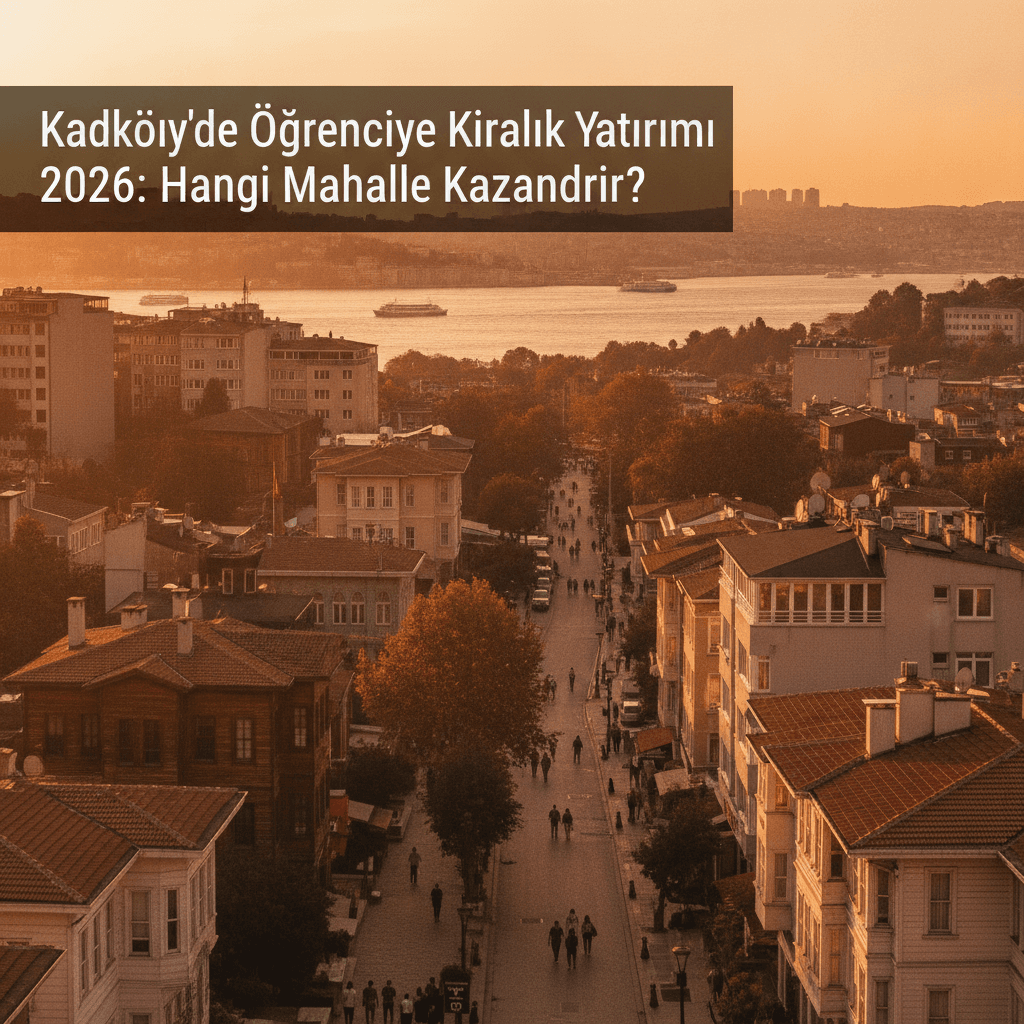
- Kadıköy (Bağdat Avenue, Fikirtepe): This is the premium market. Areas along Bağdat Avenue offer high-end, luxury redevelopment opportunities. The return profile is based on creating high-value residential units for a wealthy domestic market. Fikirtepe is a massive, state-planned regeneration zone where entire city blocks are being rebuilt, offering larger-scale investment opportunities.
- Beyoğlu & Şişli (Tarlabaşı, Bomonti): These central districts offer a different play. Here, regeneration often involves restoring historic buildings and converting them into boutique hotels, luxury residences, or high-end retail spaces. The complexity is higher, but the potential returns from creating unique, high-demand properties are enormous.
- Western Istanbul (Basın Ekspres, Beylikdüzü): This corridor is a hub for large-scale, modern housing complexes. Regeneration here often involves replacing old industrial sites or low-quality housing with massive, self-contained communities. These projects are particularly popular with foreign buyers and are often structured to meet the requirements for the Turkish Citizenship by Investment program.
- The Bosphorus Line (Üsküdar, Beykoz): Properties along the Bosphorus are among the most valuable in the world. Regeneration projects here are rare and highly sought after. Gaining a foothold in a project that offers Bosphorus views is a strategy for securing legacy assets with unparalleled long-term value.
🏠 Unlock Your Next High-Yield Project
Navigating Turkey's regeneration market requires local expertise. Let our team at Century21 Perfect Bagdat Avenue guide you to the most profitable projects.
📞 +90 552 688 0195 | 📧 ashkan.ahani@century21.com.tr
The Investor's Roadmap: A Step-by-Step Process
Engaging in an urban regeneration project is more complex than a standard property purchase. Here’s a simplified roadmap for a foreign investor.
- Project Identification & Due Diligence: The first step is to identify a suitable building or plot. This involves a thorough analysis of zoning laws, potential construction rights (emsal), and the current ownership structure. A preliminary feasibility study is crucial to forecast the project's profitability.
- Negotiation with Owners (The 'Kat Karşılığı' Model): The most common model is 'kat karşılığı,' or 'land share agreement.' As the investor/developer, you agree to cover all construction costs. In return, you receive a percentage of the newly built units, which you can then sell for profit. Securing the 2/3 majority agreement is the most critical phase.
- Legal Formalities: Once the agreement is signed, the building is officially registered as a 'risky structure.' This triggers the legal process for evacuation and demolition. All agreements must be notarized to be legally binding.
- Design & Permitting: Architectural and engineering plans are drawn up and submitted to the local municipality for a construction permit. This can be a lengthy bureaucratic process where local connections are invaluable.
- Construction & Financing: The project is financed through the investor's capital, bank loans, or off-plan sales of the investor's share of the units. Adhering to the timeline and quality specifications in the contract is paramount.
- Delivery & Title Deed Transfer: Upon completion, an occupancy permit (iskân) is obtained. The final title deeds (kat mülkiyeti) are then issued and transferred to the original homeowners and the investor.
Analyzing the Numbers: ROI in Turkish Urban Regeneration
A look at the potential returns clarifies why this sector is so attractive. Here is a comparative analysis of investing in a new development versus an urban regeneration project.
| Metric | Standard New Development | Urban Regeneration Project |
|---|---|---|
| Upfront Cost | High (Land purchase + construction) | Lower (Construction cost only) |
| Average Timeline | 18-24 months | 24-36 months (incl. negotiation) |
| Potential ROI | 25-40% | 50-120%+ |
| Key Advantage | Faster, less complex | Higher profit margin, prime locations |
| Tax Benefits | Standard | VAT exemption, no title fees |
Frequently Asked Questions (FAQ)
Can a foreigner lead an urban regeneration project in Turkey?
Yes. Foreign individuals or companies can act as the investor/developer in a regeneration project. They can enter into 'kat karşılığı' agreements with property owners, manage the construction, and sell their share of the resulting properties on the open market, just like a local developer.
Does investing in urban regeneration qualify for Turkish Citizenship?
Yes, absolutely. If you purchase property within a regeneration project (or your share as the developer is valued) at or above the $400,000 threshold (as of 2026), you are eligible to apply for the Turkish Citizenship by Investment program. This is a popular route for many of our international clients. You can check your eligibility with our citizenship assessment tool →.
What is the biggest risk for a foreign investor?
The single biggest risk is navigating the negotiation and legal process without experienced local representation. Misunderstanding the nuances of a 'kat karşılığı' contract or failing to conduct proper due diligence on the property and its owners can lead to costly delays and disputes. Partnering with a reputable real estate consultancy and legal team is non-negotiable.
How are disputes with homeowners handled?
The 2/3 majority rule is designed to minimize disputes. For the dissenting 1/3, the law provides a clear, if harsh, resolution: their shares are put up for auction to the other owners or, failing that, to the state. This ensures the project moves forward. However, the best strategy is always transparent and fair negotiation from the outset to achieve unanimous consent where possible.
Are there hidden costs I should be aware of?
Beyond the main construction costs, investors should budget for architectural fees, municipal permits, legal fees, and potential cost overruns. A contingency fund of at least 15% of the total construction budget is highly recommended to cover unforeseen expenses and ensure the project's smooth completion.
Conclusion: Seizing the 2026 Opportunity
Turkey's urban regeneration is more than a construction boom; it's a fundamental reshaping of the country's most valuable real estate markets. For international investors, it offers a unique chance to enter prime locations without the high cost of land acquisition, benefiting from government incentives and the potential for exceptional returns. The process is complex and requires patience and expertise, but the rewards—both financial and in contributing to the creation of safer, more modern cities—are immense.
As the landscape of Turkish real estate evolves, those who understand the intricacies of urban regeneration will be best positioned for success. If you are ready to explore these opportunities, our team at Century21 Perfect is here to provide the expert guidance and local knowledge you need to turn this potential into a profitable reality.
Turn Opportunity into Profit
Ready to analyze a project, conduct a feasibility study, or find your next investment? Contact our team of experts today.
📞 +90 552 688 0195 | 📧 ashkan.ahani@century21.com.tr
- Why urban regeneration is a prime investment vehicle in Turkey for 2026.
- The key investment hotspots in Istanbul and their unique profiles.
- A step-by-step roadmap for foreign investors to engage in regeneration projects.
- The financial mechanics, including the 'kat karşılığı' model and potential ROI.
- How to navigate risks and leverage legal frameworks like Law No. 6306.