Last Updated: July 2026 | Reading time: 11 min
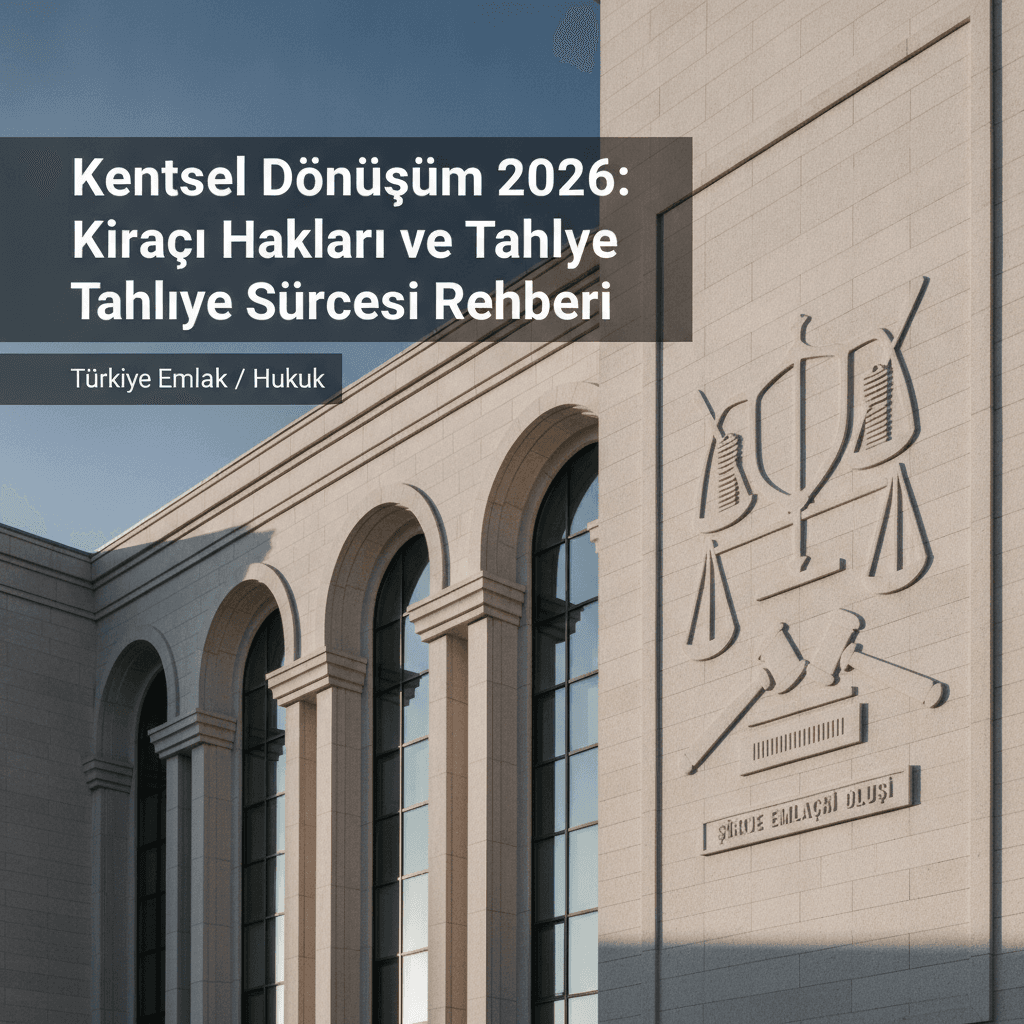
Urban transformation, or 'kentsel dönüşüm' as it's known in Turkey, is one of the most significant real estate dynamics in major cities like Istanbul. While its primary goal is to replace aging, earthquake-vulnerable buildings with safe, modern structures, the process can be complex and stressful for tenants. If you are renting a property slated for urban transformation, questions like "What happens now?", "What are my rights?", and "How soon do I have to move out?" are likely top of mind.
A lack of clear information can lead to tenants losing their rights or facing unnecessary hardship. This comprehensive guide is designed to clarify the entire process for tenants, based on the latest 2026 laws and regulations in Turkey. As the Century21 Perfect team, with extensive experience in hundreds of transformation projects along Bağdat Avenue, we aim to provide you with the accurate, actionable information you need to navigate this transition smoothly.
The Legal Framework: Understanding Law No. 6306
The foundation of all urban transformation projects in Turkey is Law No. 6306, officially titled the "Law on the Transformation of Areas Under Disaster Risk." The main purpose of this law is to identify and demolish risky structures and rebuild them to be resilient against natural disasters, particularly earthquakes. The entire process is legally initiated and governed by this piece of legislation.
How is a Building Deemed 'Risky'?
The process begins when a building is officially identified as a "risky structure" (riskli yapı). This assessment is conducted by engineering firms licensed by the Ministry of Environment, Urbanization, and Climate Change. Any single property owner in the building can commission this report at their own expense. If the technical analysis concludes that the building is at high risk of collapse or severe damage in an earthquake, a 'Risky Structure Report' is issued. This report is then registered with the local land registry office, and a note is added to the property's title deed, officially starting the legal process.
The Tenant Eviction Process: A Step-by-Step Guide
Once the 'Risky Structure Report' is finalized, a legal timeline begins for both property owners and tenants. As a tenant, understanding these steps is crucial for protecting your rights.
Step 1: Official Notification of the Report
After the report is registered, the relevant administrative authority (usually the local municipality) sends an official notification (tebligat) to all property owners and registered tenants in the building. This document formally informs you that the building is classified as risky and that the legal period for evacuation has begun. From the moment you receive this notice, you are considered legally informed.
Step 2: The Legal Evacuation Period
Under Law No. 6306, tenants and owners are given a minimum of 60 days to vacate the property. This clock starts from the date you receive the official notification. If the building is not evacuated within this 60-day period, the authorities can grant an additional period, not to exceed 30 days. This means a tenant legally has up to 90 days to find a new home and move out.
Step 3: Administrative Sanctions (Utility Cut-offs)
If the building remains occupied after the legal deadlines have passed, the municipality is authorized to take action to enforce the evacuation. The most common first step is to request that utility companies cut off the building's electricity, water, and natural gas services, making it effectively uninhabitable.
Step 4: Forced Eviction and Demolition
If occupants still refuse to leave, the final step involves a forced eviction carried out by law enforcement officials (police and municipal officers) under the authority of the local governor's office. Following the eviction, the building is demolished. The costs of this demolition are charged to the property owners.
🏠 Need Professional Guidance?
This process can be daunting. Get expert advice to ensure your rights are protected. Our team at Century21 Perfect is here to help you navigate Turkey's real estate landscape.
📞 +90 552 688 0195 | 📧 ashkan.ahani@century21.com.tr
A Tenant's Key Legal Rights in Urban Transformation
While the eviction process may seem harsh, Turkish law provides significant rights to tenants to mitigate the financial and logistical burden of moving.
1. The Right to Relocation Assistance (Kira Yardımı)
The most important right for a tenant is the financial aid provided by the government. This is a one-time payment to assist with moving costs and securing a new rental.
- Aid Amount: For tenants, this is a lump-sum payment. For 2026, the amount for tenants in Istanbul is 11,500 TRY. This is equivalent to two months of the rental aid given to homeowners and is intended to cover relocation expenses.
- Eligibility: To qualify, you must prove you have been living in the property as a tenant for at least one year prior to the evacuation date and have vacated the property.
- How to Apply: Applications can be made through the e-Devlet (e-Government) portal or in person at the local municipality's Urban Transformation Directorate.
2. The Right of First Refusal to Rent in the New Building
This is a lesser-known but powerful right. According to the Turkish Code of Obligations, a tenant who is evicted due to urban transformation has the right of first refusal to rent a comparable unit in the newly constructed building. The landlord must offer the new apartment to the former tenant before offering it to the public.
3. The Right to a Full Security Deposit Refund
Urban transformation is considered a 'force majeure' event that terminates the lease agreement. Therefore, the landlord is obligated to return the full security deposit, provided there is no damage to the property or outstanding debt (like unpaid utility bills). The landlord cannot make deductions from the deposit for reasons related to the early termination of the lease.
Tenant vs. Landlord: A Comparison of Responsibilities
A smooth process depends on both parties understanding their roles. This table clarifies the key rights and duties.
| Issue | Tenant's Right / Duty | Landlord's Right / Duty |
|---|---|---|
| Evacuation | Duty to vacate the property within the legal timeframe. | Duty to respect the legal timeframe for the tenant. |
| Relocation Aid | Right to apply for and receive the one-time payment. | Cannot receive rental aid if the tenant applies; can opt for subsidized loans instead. |
| Security Deposit | Right to receive a full refund if the property is undamaged. | Duty to return the deposit if there are no outstanding debts or damages. |
| New Building | Right of first refusal to rent a new unit. | Duty to offer a new unit to the former tenant before others. |
Frequently Asked Questions (FAQ)
Here are answers to the most common questions we receive from tenants facing urban transformation.
As a tenant, can I object to the 'risky structure' report?
No. The legal right to appeal a risky structure report belongs exclusively to the property owners. Tenants cannot legally challenge the report's findings.
Does my lease agreement protect me from eviction if it hasn't expired?
No. A 'risky structure' designation is a matter of public safety that supersedes private lease agreements. Even if you have a long-term contract, you are legally required to vacate the property within the specified timeframe.
Who gets the government aid – the tenant or the landlord?
If an eligible tenant is residing in the property, the one-time relocation aid is paid to the tenant. The property owner is not eligible for rental aid in this case but can apply for other government incentives, such as low-interest loans for reconstruction.
Is the landlord obligated to rent me an apartment in the new building?
The landlord is obligated to *offer* it to you first. They must propose a rental price based on current market conditions. If you cannot agree on the terms, the landlord is then free to rent it to someone else.
What documents do I need to apply for relocation aid?
Typically, you will need your Turkish ID number (or foreigner ID), a recent utility bill in your name to prove residency, an official address report from the civil registry (Nüfus Müdürlüğü), and your bank account (IBAN) details. Always check with the specific municipality for their exact requirements.
My landlord is refusing to return my security deposit. What can I do?
Your first step should be to send a formal written notice (ihtarname) demanding the return of the deposit. If that fails, you can initiate legal proceedings through a lawyer, which may involve mediation or filing a claim for enforcement.
Conclusion and Practical Advice
Navigating urban transformation requires being proactive and informed. We recommend the following steps for a smoother transition:
- Communicate Clearly: Maintain open communication with your landlord and building manager to stay informed about the timeline.
- Keep Your Documents: Organize all relevant paperwork, including your lease, official notices, and utility bills. These are essential for proving your tenancy and applying for aid.
- Respect Deadlines: Pay close attention to the deadlines for vacating the property and applying for relocation assistance to avoid losing your rights.
- Start Your Search Early: While 90 days may seem like a long time, starting your search for a new rental property early will reduce stress and give you more options.
- Seek Professional Help: If you face a dispute with your landlord or find the process overwhelming, don't hesitate to consult a lawyer specializing in real estate law or a trusted real estate advisor.
Your rights as a tenant during urban transformation are protected by law. The key to a positive outcome is understanding these rights and taking the correct steps at the right time. With proper planning, you can manage this transition and move forward to your new home.
Disclaimer: The information provided in this article is for general informational purposes only and does not constitute legal advice. You should consult with a qualified attorney regarding your specific situation. Aşkan Behbud — Century 21 Perfect, 15+ years of real estate experience, Bağdat Avenue.
🏠 Find Your Next Home With Us
Whether you're relocating due to urban transformation or simply looking for a new property, our team can help you find the perfect fit. Browse our listings →
📞 +90 552 688 0195 | 📧 ashkan.ahani@century21.com.tr
- Urban transformation in Turkey is governed by Law No. 6306.
- Tenants have a legal evacuation period of at least 60 days after official notification.
- Eligible tenants can receive a one-time relocation assistance payment (11,500 TRY in Istanbul for 2026).
- Tenants have the right of first refusal to rent a unit in the new building.
- Landlords must return the security deposit and cannot charge penalties for early lease termination due to urban transformation.